Fundamentals of the Fitness Coach’s Work
A practical course that brings fitness and strength together in one method: test the trainee first, then work out their heart rate and zones, write their endurance and interval sessions, build the strength programme with the right dose and sound technique, add warm-up, jumps and agility, plan eight weeks with recovery, then retest and see the progress in numbers.
This course is taught in Arabic: the videos, the texts and the quizzes are in Arabic.
12 units19 hours (approx.)160 quiz questions$69 · 259 SAR PriceCertificate with a verification number
The twelve units
Every unit has a video presented by Hala, the full text with tables and diagrams, a practical tool you apply to your trainee, a case for discussion, a worksheet and a ten-question quiz. We follow Coach Ali and his young player Hamza at Al-Rafidain club, Umm Khalid as she starts exercising, and Sara the PE teacher with her pupils.
Part one: fitness basics and the heart
- 60 min · free
Physical fitness: its components, benefits and how the body adapts
The eight components of fitness, health-related and sport-related fitness, the benefits for the heart, bones, brain and mind, muscle fibre types, training principles, adaptation and supercompensation, why the body gets used to the same workout, and the health questions before you start.
- 60 min
Warm-up, cool-down and stretching
What the warm-up does to temperature, blood, nerves and mind, general and specific warm-up in four stages, dynamic and static stretching and when to use each, cooling down after training, and warm-ups for a team, the gym and older adults.
- 70 min
The heart, heart rate, training zones and the Borg scale
Resting and maximum heart rate and heart rate reserve, measuring the pulse by hand and with a watch, working heart rate with the Karvonen method step by step, the five heart rate zones and what each one trains, the Borg scale, the talk test and session load.
Part two: energy, endurance and testing
- 65 min
Energy systems: aerobic, anaerobic, lactic acid and fatigue
The three energy systems and when each one leads, aerobic and anaerobic exercise and the benefits of each, lactic acid and the threshold, the truth about next-day soreness, why we get tired, and VO2max.
- 70 min
Endurance training: continuous, intervals, HIIT and the 80/20 rule
Continuous training, tempo runs and fartlek in nature, long and short intervals, HIIT and the 4 × 4 session, the 80/20 rule and the grey zone, how many minutes and how often per week, progressing volume, and a programme for a beginner and for a player.
- 75 min
Fitness testing: from Cooper to balance
Rules for fair testing and the health questions, endurance tests: Cooper, beep, Yo-Yo, step, rowing and the lab, weight, BMI and waist, flexibility, strength, power, speed, agility, reaction, coordination and balance, and how to read the results and retest.
Part three: strength basics and dose
- 65 min
Strength training basics and principles
Why everyone should train strength, the four types of strength, concentric, eccentric and isometric contractions, dynamic and static exercises, the language of dose: rep, set, 1RM, rest and tempo, specificity, overload and progression, and common myths.
- 70 min
Strength dose: intensity, reps, sets, rest and progression
The relationship between load and reps, the dose for maximal strength, hypertrophy and muscular endurance, reps in reserve (RIR) and the effort scale, weekly sets, rest between sets, weekly frequency, double progression, and estimating 1RM safely.
- 60 min
Movement and biomechanics in strength exercises
The three planes of movement, the joints and muscles that make movement, torque and lever arm with simple examples, centre of gravity and base of support, why grip width, trunk lean and squat depth change the working muscles, and how to analyse any exercise in five steps.
Part four: technique, power and planning
- 75 min
Technique: squat, deadlift, pushing and pulling
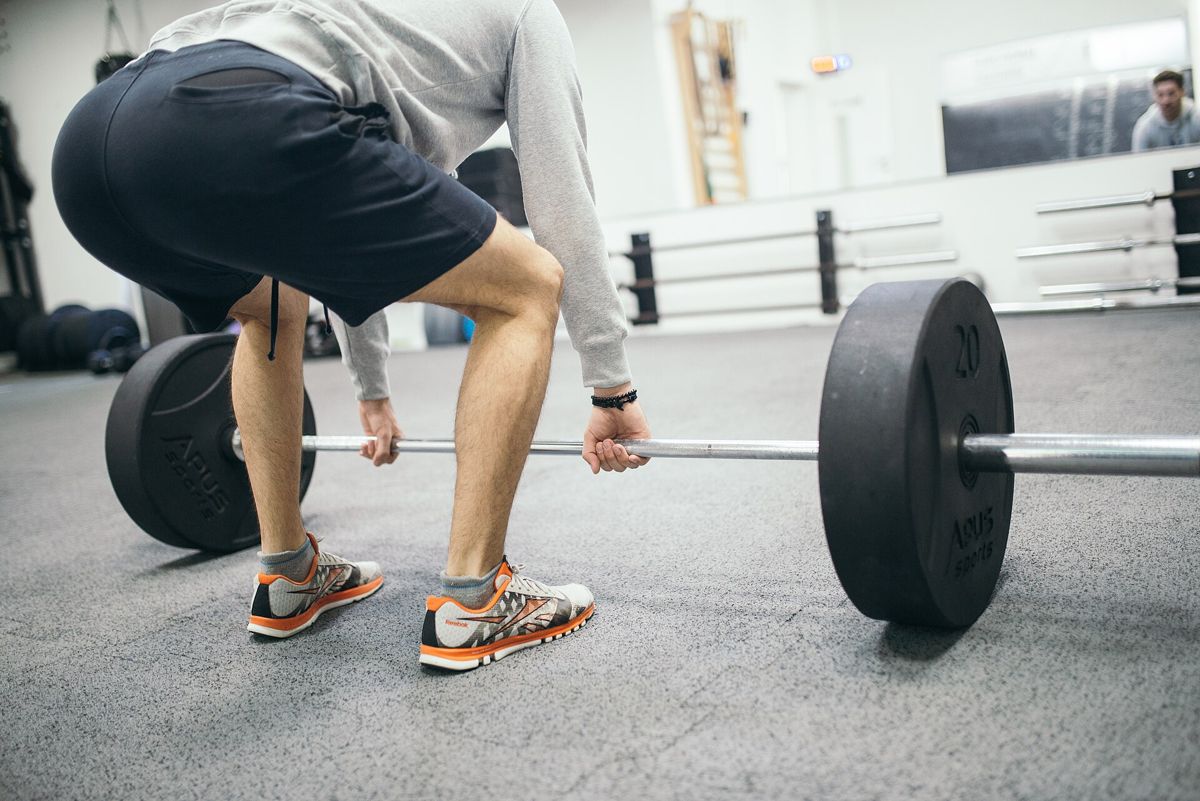
The eight movement patterns, breathing and bracing, squat variations, the deadlift and the hip hinge, the lunge, push-up, bench press and overhead press, rows and pull-ups, core and carries, common faults and how to fix them, and how to teach a beginner.
- 65 min
Explosive strength, plyometrics, agility and balance
Power = force × velocity, the stretch-shortening cycle, the plyometric ladder from landing to drop jumps, safe landing and preventing knee injuries, dosing by foot contacts, agility, reaction, coordination, balance and speed.
- 80 min
Planning, recovery, special groups and the graduation project
Linear, undulating and block planning and the deload week, combining strength and endurance in the same week, recovery: sleep, food, water, active recovery and the morning pulse, overtraining, strength training for children, youth, older adults and women, and the graduation project part by part.
- 4 hours
Graduation project
“My programme: 8 weeks from test to retest”: a real fitness and strength programme for someone you know, in seven parts, from the health questions and the tests to heart rate zones and endurance sessions, a strength programme with the full dose, warm-up and power, the eight weeks with recovery, and the retest.
- 60 min
Final exam
Forty questions from the four modules. Get twenty-eight right and your certificate is issued.
From test to programme, in numbers
The course is built on the “Physical Fitness” lecture by Dr. Abdulazim Ahmed Khalil and on the strength training course material of the Swedish School of Sport and Health Sciences (GIH) in Stockholm: principles, dose, biomechanics, technique, plyometrics, planning and endurance zones. Everything in it is in numbers: heart rate, minutes, sets and reps.
For the coach and the PE teacher
A test battery for your team or class, heart rate zones for every player, endurance and interval sessions, a balanced strength programme for young players, and a warm-up that prevents injuries.
For those who train themselves or start with a new trainee
The health questions before you start, how to choose the weight and the reps, how to progress every week without injury, when to rest, and how to know the programme worked.
Who this course is for
- Fitness coaches and personal trainers in gyms and clubs.
- Physical education teachers who test and train their pupils.
- Team coaches who prepare their players physically.
- Anyone who wants to train themselves in a scientific and safe way.
What you get
- 12 videos in which Hala presents and explains every unit with diagrams and tables.
- Ready-made tools: the personal fitness file, the warm-up form, the working heart rate and zones calculator, the energy systems table, a 6-week endurance programme, the test battery and results log, the strength training log, the exercise analysis card, the technique checklist, a jump and agility programme and an 8-week plan.
- A real programme as your project, assessed by the smart tutor.
- A smart tutor that answers from the unit text and helps you work out heart rates and write the dose.
- A certificate of completion with a verification number.
Your certificate when you pass
Pass the graduation project and the final exam, and your certificate is issued at once in your name, ready to print or save as a PDF.
- A certificate of completion in English in A4 size.
- A verification number of its own, and a QR code that opens the verification page on eiast.se.
- Your study hours, your graduation project mark and your final exam result.
- It stays valid and anyone can verify it at any time. It is a certificate of completion from the academy, not a university degree or a professional licence.
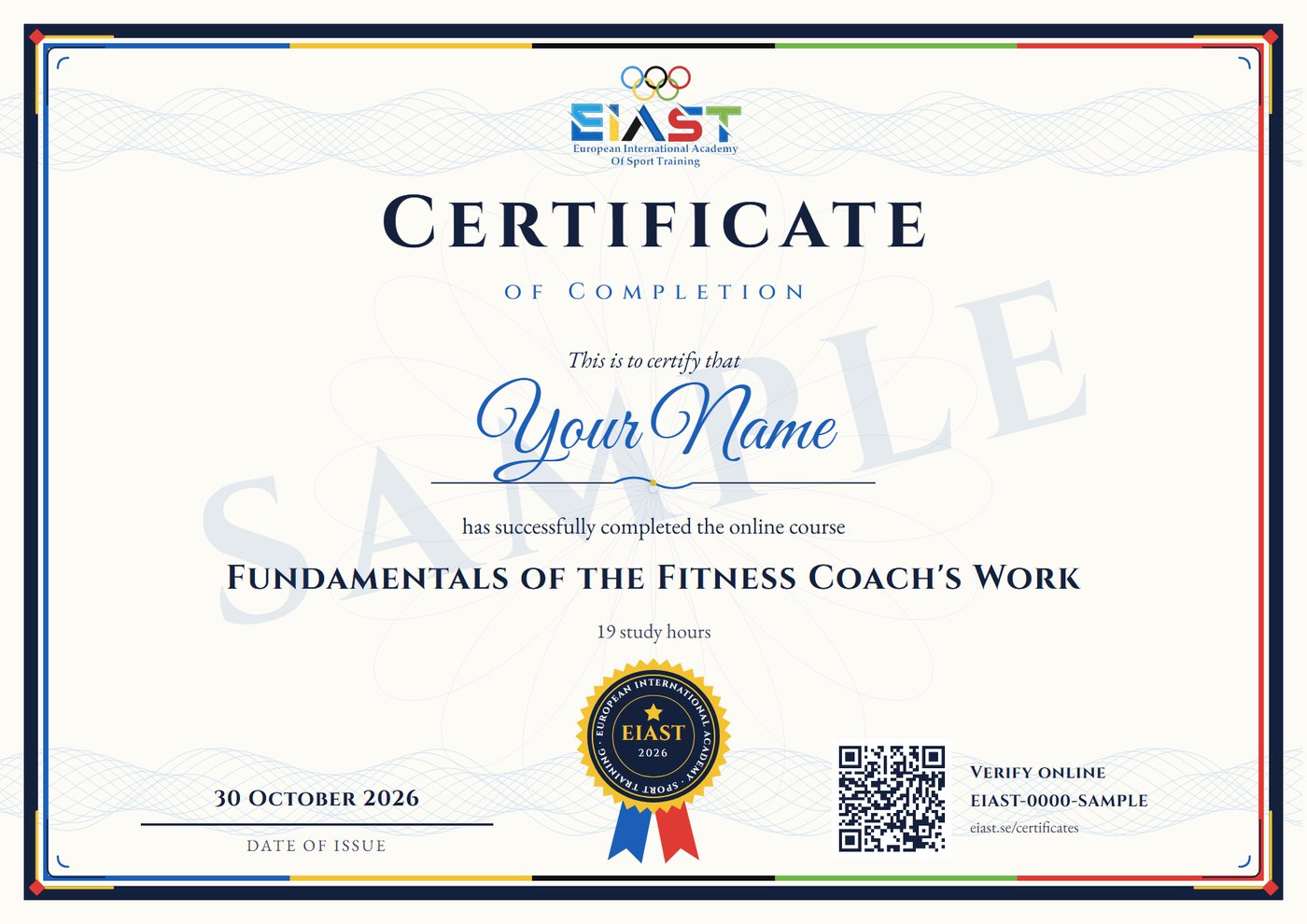 View the sample at full size
Start the course today
Buy the course once and unit one opens. Each unit opens the next, then the graduation project and the final exam, and your certificate is issued as soon as you pass.
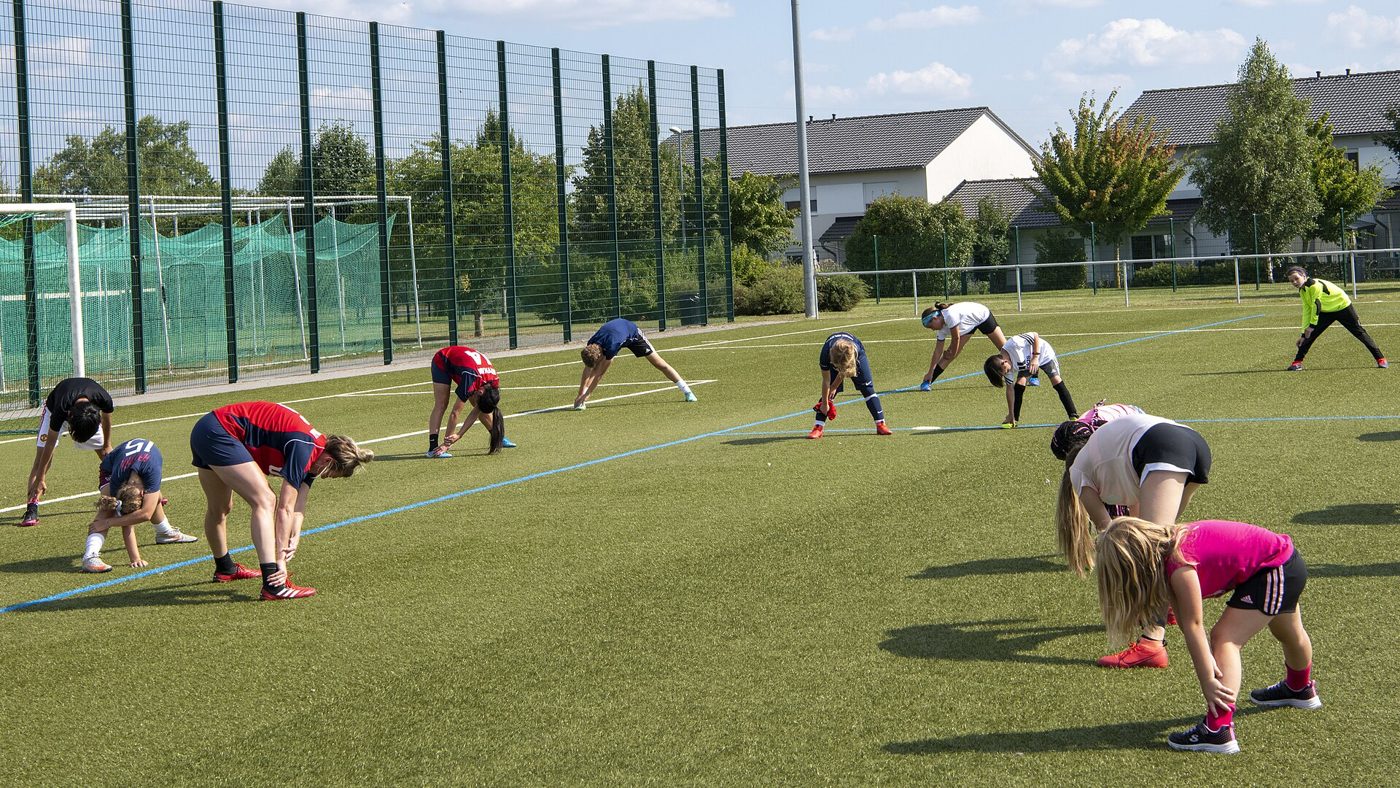
Image credits: Deadlift: Nenad Stojkovic, CC BY 2.0 · Team warm-up: U.S. Army photo by Sgt. Amanda Baker, public domain. Via Wikimedia Commons.