Therapeutic Nutrition and Weight Loss
Most of your clients come with one goal: losing weight, and many of them have diabetes, high blood pressure, high cholesterol or PCOS. This course teaches you how to help them with science, behaviour and activity, safely and within the limits of your role: you assess, build a realistic plan with Arab foods, change habits through motivational interviewing, and know when to refer to a doctor or a dietitian.
This course is taught in Arabic: the videos, the texts and the quizzes are in Arabic.
14 units in 4 modules23 hours (approx.)180 quiz questions$69 · 259 SAR PriceCertificate with a verification number
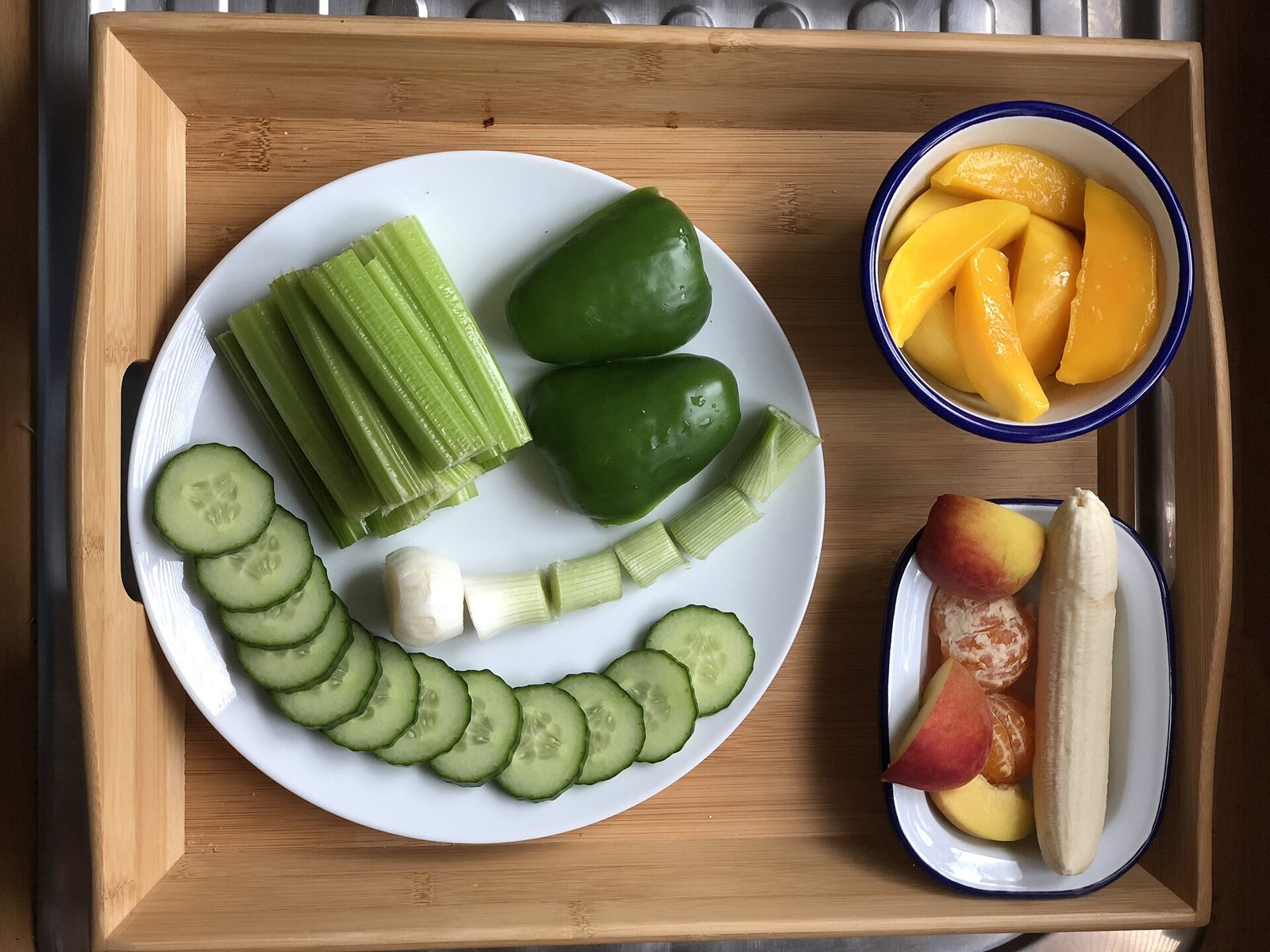
The four modules and the fourteen units
Every unit has a video, the full text with tables, diagrams and examples from our Arab kitchen, a ready-to-use practical tool, a case study to discuss, a worksheet and a ten-question quiz. Throughout the course we follow Rana, a coach, and her clients: Abu Faisal, who has diabetes; Noura, who has PCOS; and Sami, who has high blood pressure and high cholesterol.
Module 1: The foundations
- 63 min · free
Therapeutic nutrition: the concept, the limits of your role and the care team
What therapeutic nutrition is, who provides it, where the coach, the dietitian and the doctor stand, how to tell reliable information from myth, and when to refer.
- 73 min
Obesity: causes, measurement and risks
Obesity is a chronic disease with many causes — genes, environment, sleep, medication and stress — BMI, waist circumference and waist-to-height ratio, the risks of obesity, and language that does not hurt.
- 73 min
Energy and weight loss: what happens in the body?
The components of daily energy expenditure, the energy deficit, what the body loses in fat, muscle and water, adaptation, plateaus and weight regain, and a realistic pace.
Module 2: Weight loss in practice
- 72 min
The client’s nutrition assessment
The diet history, the 24-hour recall and the food diary, habits, environment and sleep, readiness to change, the tests the doctor orders, and SMART goals.
- 82 min
The weight-loss plan: deficit, protein, fibre and fullness
How to build a plan with a moderate deficit, the amount of protein to keep muscle, fibre, vegetables and water for fullness, the plate method and hand portions, and Arab cooking made lighter.
- 78 min
Dietary patterns: Mediterranean, DASH, low-carb and intermittent fasting
What the evidence says about popular dietary patterns, why sticking to a plan matters more than the diet’s name, and how to choose the right pattern for your client and their culture.
- 78 min
Behaviour and habits: how do people change?
Motivational interviewing, the stages of change, building small habits, self-monitoring, emotional eating, the home and work environment, sleep and stress, and relapse.
- 72 min
Physical activity, losing weight and keeping it off
The role of exercise in losing fat and keeping muscle, non-exercise daily activity, strength training, how many minutes we need, and the secrets of people who keep the weight off.
Module 3: Nutrition in common conditions
- 83 min
Type 2 diabetes and prediabetes
What diabetes and prediabetes are, carbohydrates and the glycaemic index, the plate method, low blood sugar with exercise and medication, weight loss and remission, and fasting in Ramadan.
- 78 min
Blood pressure, cholesterol and heart health
The DASH diet, salt and sodium, saturated and trans fats, fibre, pulses, nuts and olive oil, fish, and reading the nutrition label.
- 77 min
Common conditions: PCOS, fatty liver, the thyroid, gout and anaemia
What helps nutritionally in each condition, what the evidence says, what is the work of the doctor and the dietitian, and what a coach must not say.
- 67 min
The digestive system: irritable bowel syndrome, coeliac disease and lactose intolerance
When digestive symptoms are a warning sign, the difference between allergy and intolerance, coeliac testing before a gluten-free diet, and the FODMAP diet under a specialist’s supervision.
Module 4: Special groups and safety
- 77 min
Special groups: modern obesity medicines, obesity surgery, older adults, teenagers and pregnancy
Obesity injections and what people taking them need in protein and exercise, life after obesity surgery, obesity in older age, teenagers, and before pregnancy and after childbirth.
- 78 min
Safety: eating disorders, slimming products and the graduation project
The signs of eating disorders and what to do, dangerous and adulterated slimming products, extreme diets, and professional ethics, then an explanation of the graduation project.
- 4 hours (approx.)
Graduation project
“A twelve-week weight-loss plan for a client with a common condition”: eight parts, from screening, assessment and goals to needs, meals and dietary pattern, habits, activity, follow-up, and safety and referral. Assessed by the smart tutor; the pass mark is 60.
- 60 min
Final exam
Forty questions from the four modules. Get twenty-eight right and your certificate is issued.
Who this course is for
- Personal trainers and fitness coaches who work with weight-loss clients.
- People working at health clubs and women’s and men’s sports centres.
- Fitness professionals who work with clients who have diabetes, high blood pressure or PCOS.
- Physical education and nutrition graduates at the start of their careers.
What you get
- 14 videos that explain each unit with diagrams and examples.
- Ready-made tools: a needs and deficit calculator, a nutrition assessment form, a plan template, the four-habits plan, a diabetes card, a heart card and a safety checklist.
- Examples from our Arab kitchen: rice, bread, dates, feasts and Ramadan.
- A smart tutor that answers from the unit’s text and reminds you of the limits of your role.
- A certificate of completion with a verification number issued when you pass the project and the final exam.
Your certificate when you pass
Pass the graduation project and the final exam, and your certificate is issued at once in your name, ready to print or save as a PDF.
- A certificate of completion in English in A4 size.
- A verification number of its own, and a QR code that opens the verification page on eiast.se.
- Your study hours, your graduation project mark and your final exam result.
- It stays valid and any organisation can verify it at any time. It is a certificate of completion from the academy, not a licence to practise as a dietitian.
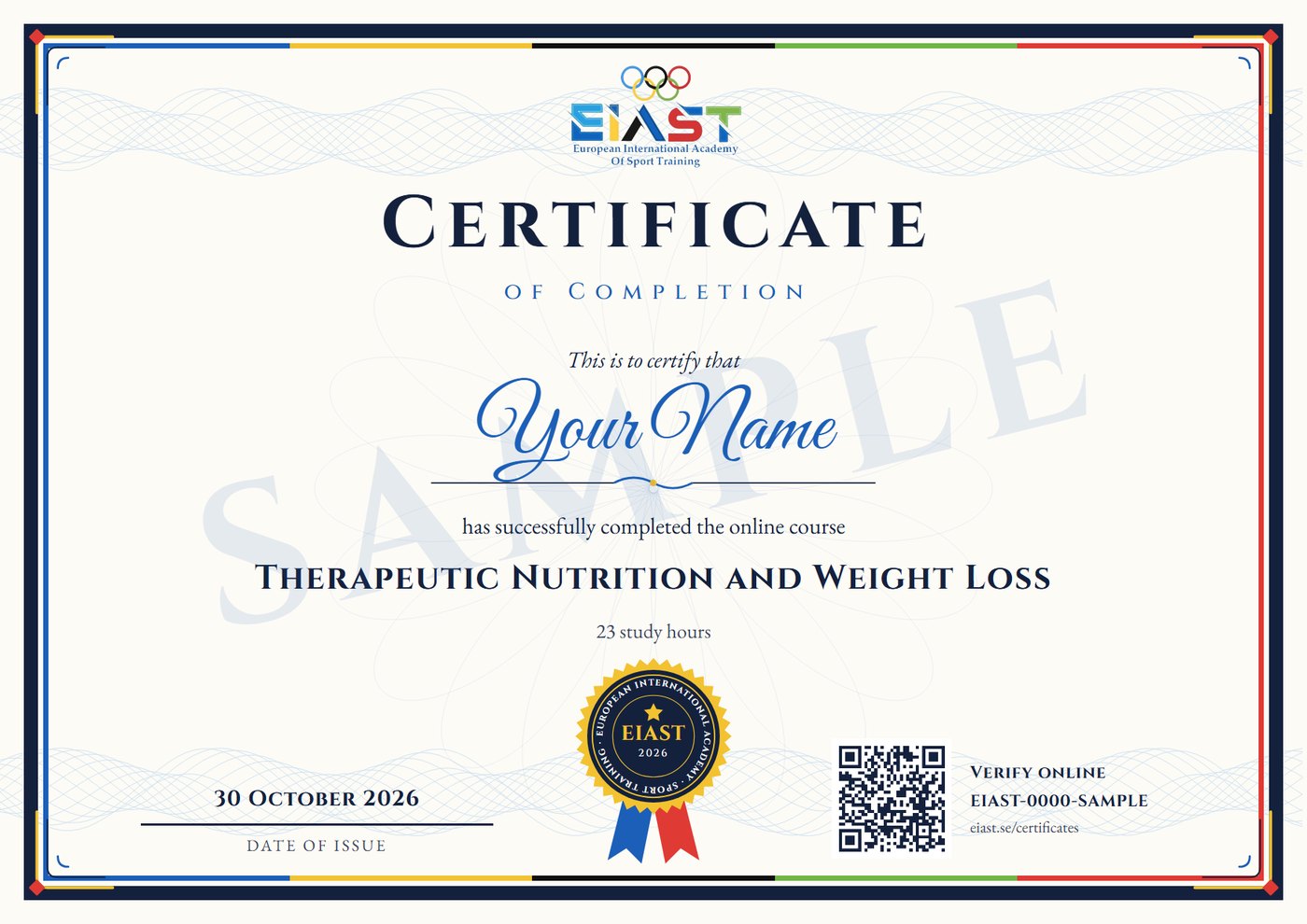 View the sample at full size
Start the course today
Buy the course once and unit one opens. Each unit opens the next, then the graduation project and the final exam, and your certificate is issued as soon as you pass.