What is sport psychology?
It is the scientific study of the psychological factors linked to sport and physical activity. It asks two questions: how do psychological factors affect performance, such as anxiety and shooting accuracy? And how does sport affect people psychologically, such as their self-esteem?
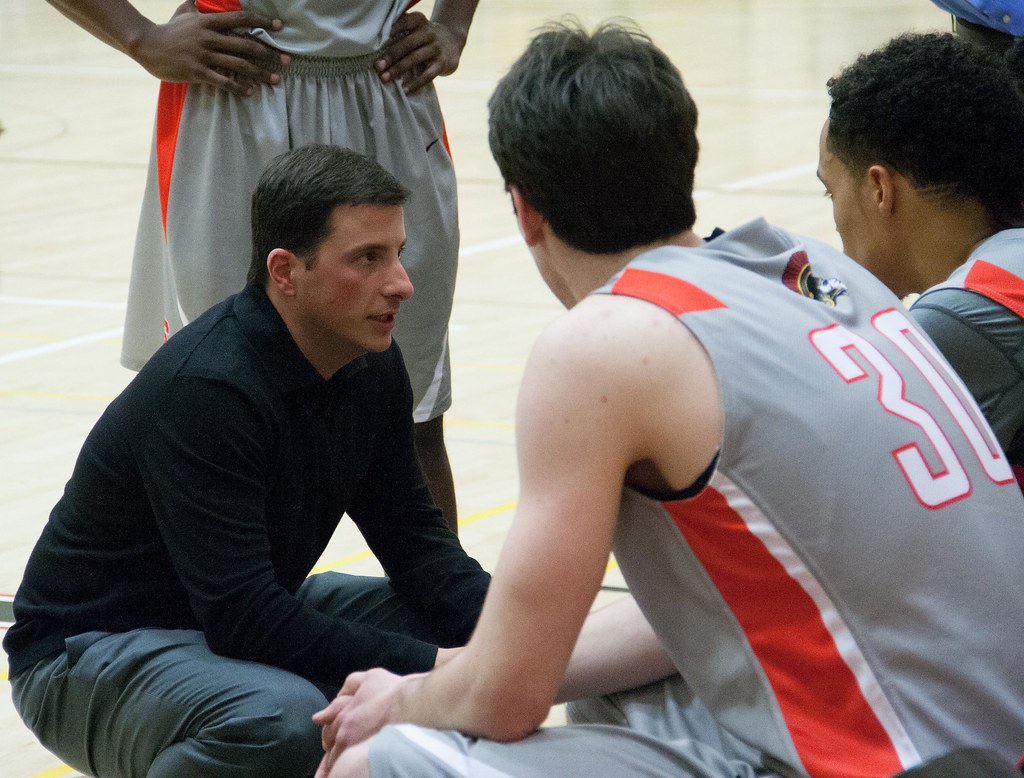
A coach works in both areas every day, whether they notice it or not. How they speak, correct mistakes, reward and punish all create the psychological climate a player trains in.
The fourth pillar of performance
Sporting performance rests on four pillars: physical, technical, tactical and mental. Many coaches spend hours on the first three and leave the mental one to chance. The result is familiar: a player who is excellent in training and worse in the match.
Mental skills can be learned
Self-confidence, focus and emotional control are not traits a champion is or is not born with; they grow with regular practice, just like physical skills. The researcher Robin Vealey groups them into four sets:
- Foundation skills: motivation, self-awareness, productive thinking and self-confidence.
- Performance skills: controlling attention, managing energy and arousal, and reading the game.
- Personal development skills: an identity not reduced to results, and people skills.
- Team skills: leadership, communication, cohesion and the team's belief in itself.
Common myths
- Some think sport psychology is for weak players. Wrong: most mental work improves the performance of healthy people.
- They think champions are born mentally strong. Talent exists, but the skills improve with organised practice.
- They think it is enough to tell a player to focus. That does not teach them how to focus, or on what.
- They think mental preparation is only for before a tournament, but a skill not practised all season will not appear on final day.
What a coach can do
- Build a training climate where mistakes are chances to learn and effort and progress are rewarded.
- Teach basic skills: goal setting, controlled breathing, pre-performance routines and self-talk.
- Build them into daily training instead of separate sessions players get bored of.
- Watch and listen, since the coach is often the first to see that a player is not all right.
When to direct a player to a specialist
A coach is not a therapist: they do not diagnose or treat. That does not make the role smaller; it protects the player and the coach. Watch for signs that last two weeks or more, such as:
- Clear sadness or withdrawal, and losing interest in things they used to enjoy.
- A marked change in weight or eating, or too much worry about weight and shape.
- Poor sleep or constant exhaustion with no training reason.
- Strong anxiety that affects daily life and school, not only competition.
If a player talks about harming themselves or is in immediate danger, do not wait: call emergency services at once, do not leave them alone, and tell their family if they are under age.
How to talk to them
- Choose a private time and place away from the team.
- Talk about behaviour you noticed, not judgements: "I have noticed you seem tired these last few weeks."
- Listen more than you talk, and do not play down their feelings.
- Do not diagnose; suggest talking to a specialist, and help with the first step.
- Respect their privacy, follow up gently, and treat them as a normal member of the team.