Why do children play football?
Ask any seven-year-old why they come to training. They rarely say "to win the league". Most say: because it is fun, to play with my friends, to learn new things, and to feel part of a team.
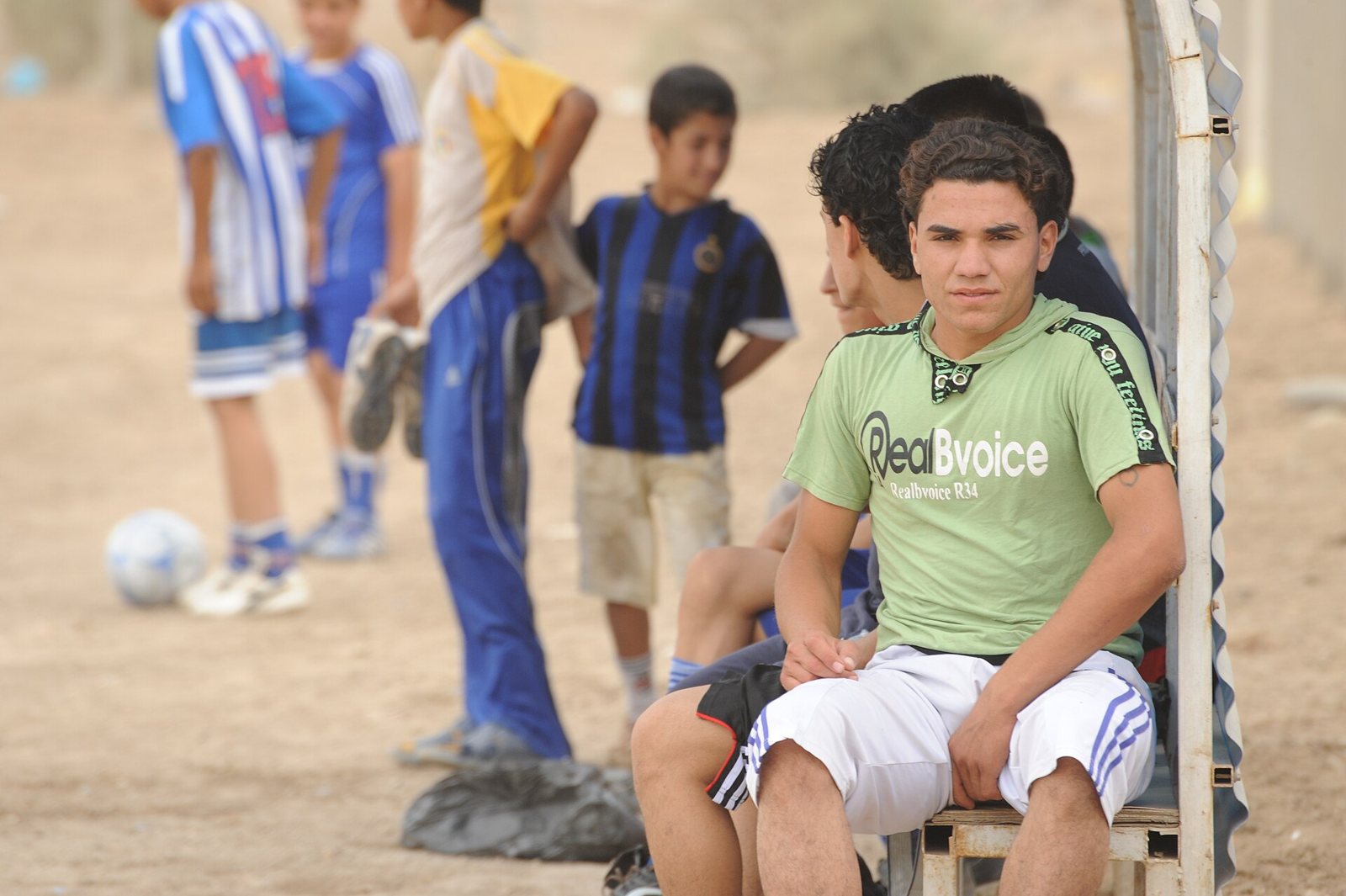
And why do they quit? The most common reasons in studies: it stopped being fun, too much pressure, sitting on the bench, a coach who shouts, and feeling they are not good enough.
If you want a child to learn and improve, first make them want to come.
Play, play freely, learn
In the Swedish Football Association and many other European federations, children's football rests on a clear philosophy of three words:
- Play: play is the starting point of every session and match.
- Play freely: room to create, try and make mistakes without fear.
- Learn: learning happens inside the game, through situations, repetition and encouragement, not lectures.
Its motto is: as many as possible, for as long as possible. Whoever stays in football until eighteen becomes a player, a coach, a referee, a fan or an administrator.
Children's football is not small adult football
- The aim: development, enjoyment and staying in the game, not winning and results.
- Training: play, a ball for every player, and small-sided games.
- Positions: everyone tries every position, including goalkeeper.
- Playing time: everyone plays a fair share.
- Pitch and ball: smaller pitch, lighter ball, smaller goals.
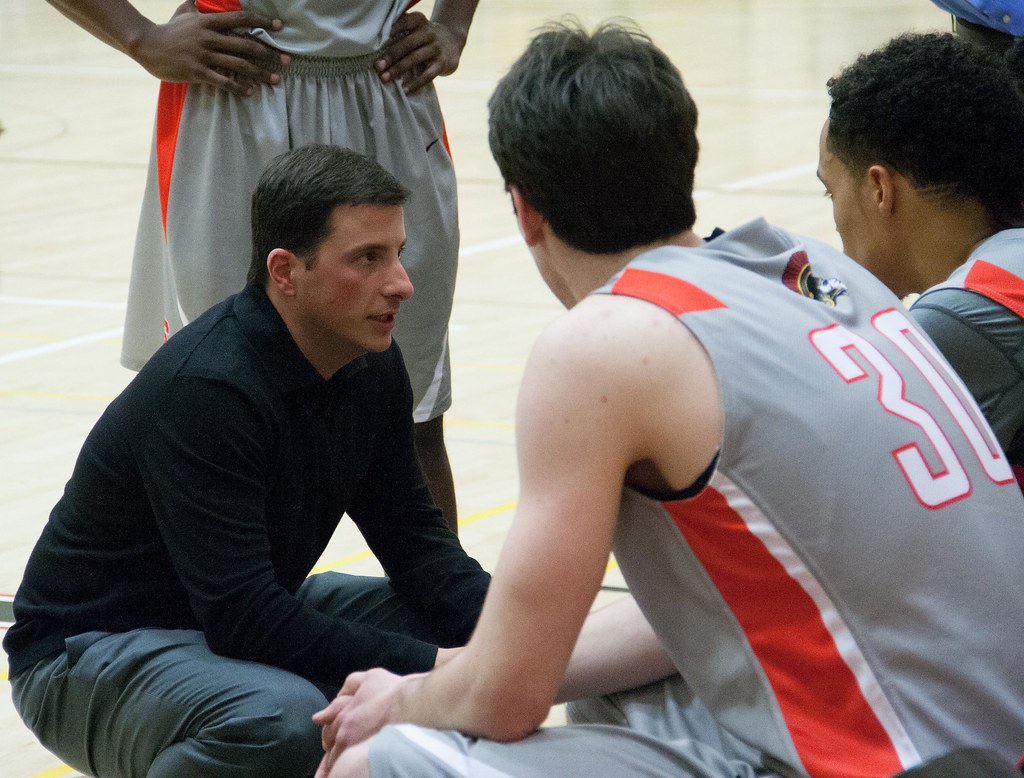
- The coach: a teacher, a leader and a role model.
Practical principles for every session
- A ball for every player: children are on the ball as much as possible.
- No queues: if a child waits more than a minute, change the drill.
- Small groups: 4 to 10 children per coach.
- Small-sided games are the most important part: 3 v 3 up to 5 v 5.
- Praise by name, for effort and courage, not just the result.
- Explain little, play a lot: a 30-second explanation, one example, then play straight away.
What children remember
Twenty years later, most children will not remember the score of an under-9 match. But they will remember how the coach made them feel, whether they loved going to training, and whether they felt they mattered.
Karim's first day
Karim, a former player, started coaching an under-9 team. In his first session he put the children in two shooting queues, so each waited two minutes; he explained a formation for five minutes while they watched the birds; and he gave the final game to the most skilful only. Yusuf, 8, barely touched the ball and cried in the car. That evening the academy director told him: "Children do not need adult football. Come, let us learn together how they play."