What is first aid?
First aid is what an ordinary person does for someone who is hurt or suddenly ill, before the ambulance and medical team arrive. It ranges from wrapping a twisted ankle, to stopping bleeding, to saving the life of someone whose heart has stopped.
It has three aims:
- Preserve life: resuscitation, stopping severe bleeding and opening the airway.
- Prevent things getting worse: the right position, warming, cooling and keeping still.
- Promote recovery: reassurance and directing the person to the right care.
Why coaches need it more than most
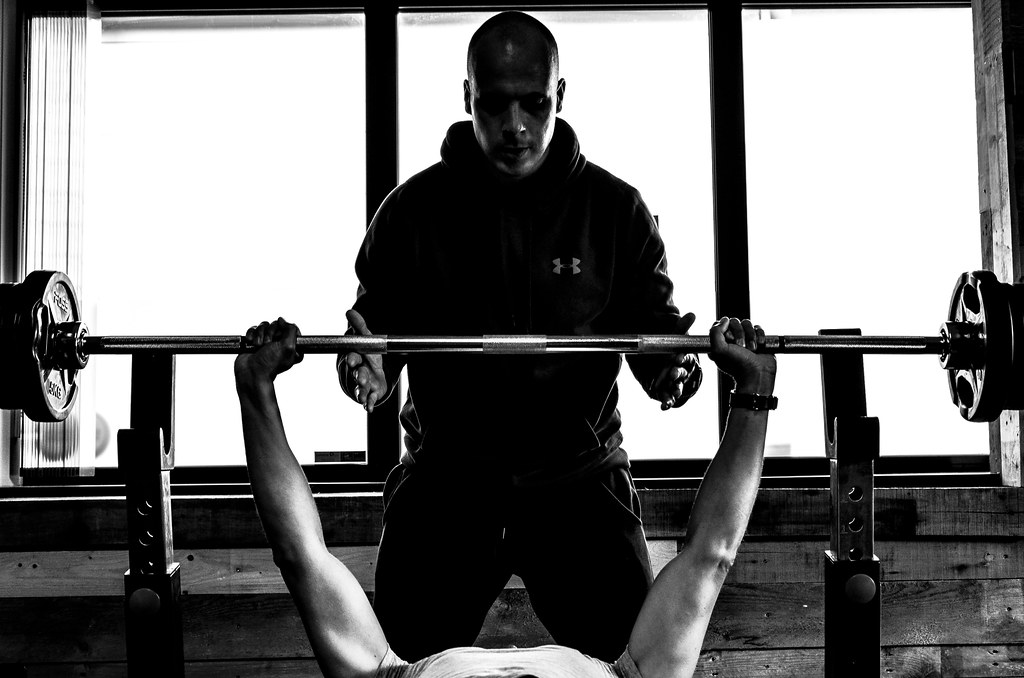
- High physical effort: sudden cardiac arrest sometimes happens in the gym or on the pitch, especially in people with an unknown heart condition.
- Injuries: sprains, fractures, head knocks and bleeding.
- Heat: training in summer raises the risk of heatstroke.
- Responsibility: a coach is responsible for the safety of the people they train, especially children.
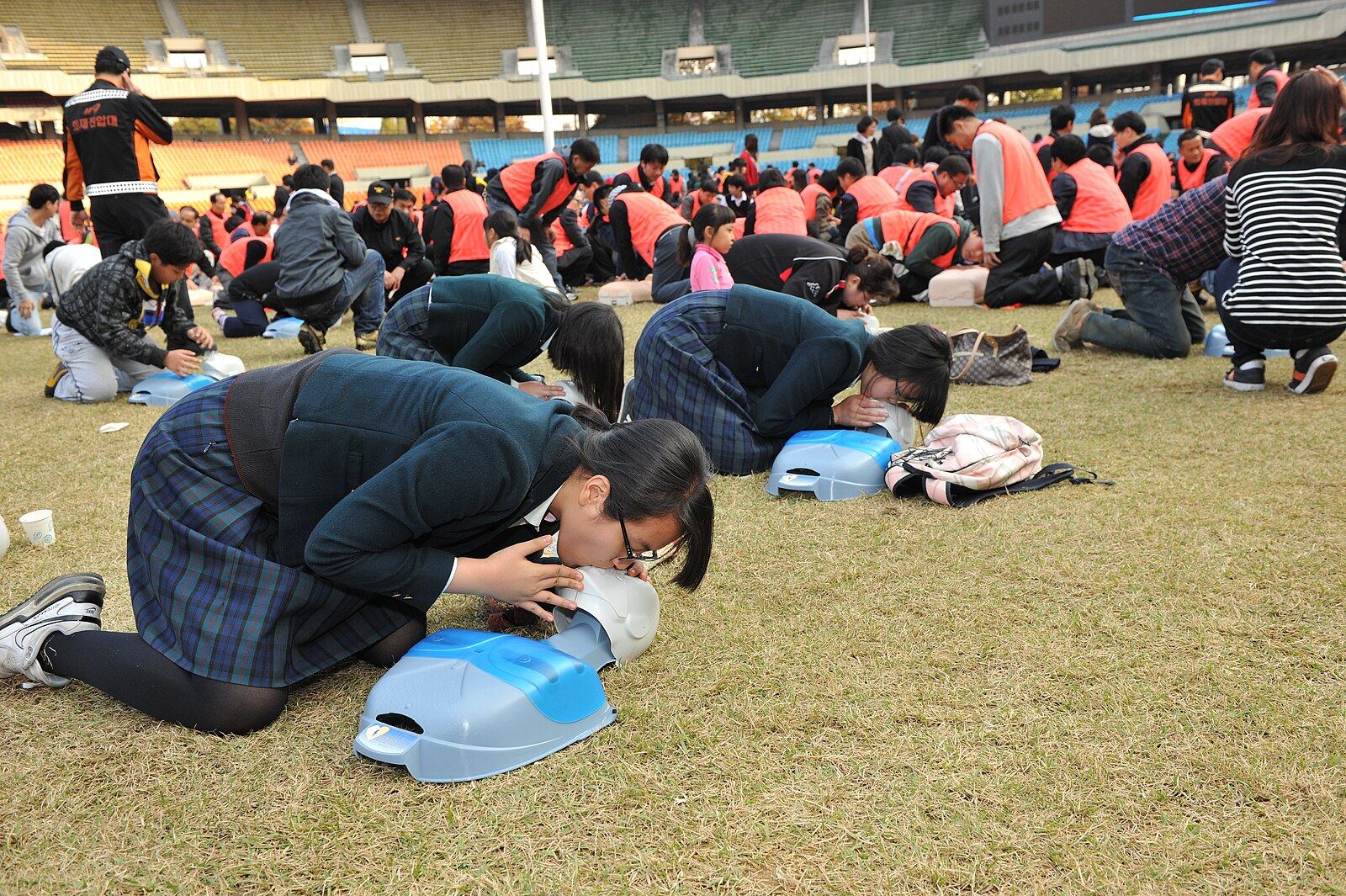
- Witnesses: most cardiac arrests in sport happen in front of others, so the chance is good if those people know what to do.
- Long-term conditions: every club has members with diabetes, high blood pressure, asthma and allergies.
The key rule: do not just stand and watch
The worst thing you can do for someone whose heart has stopped is nothing.
No one can harm a person whose heart has stopped more than they already are. Start, call, and push. Fear of getting it wrong is normal, but trying is far better than waiting.
Protect yourself first
A rescuer who gets hurt helps no one. Before you go closer, look around you:
- Traffic: stop it safely and switch on hazard lights.
- Electricity: switch off the power before touching the person.
- Fire and smoke: do not go in; call the fire service.
- Water: do not jump in after someone drowning unless you are trained; use a rope, a pole or a ring.
- Crowds: ask one named person to keep people back.
- Infection: gloves if you have them, a pocket mask for rescue breaths if available, and wash your hands afterwards.
If you are not ready to give rescue breaths to a stranger, chest compressions alone are far better than nothing.
Ask for consent and respect the person
- Conscious: say who you are and ask, "May I help you?"
- Refuses: respect it, stay close, and call emergency services if it is serious.
- Unconscious: consent is implied, so start first aid.
- A child: ask the parents if they are there; otherwise help at once in an emergency.
- Privacy: cover the person, do not film them and do not share their condition.
Stay calm and give out tasks
- Pause for two seconds and take a deep breath before you start.
- Follow the order: danger, then breathing, then bleeding, then shock.
- Give tasks by name: "You, call emergency services. You, bring the defibrillator."
- Talk to the person: "I am here with you, the ambulance is on its way."
Know the limits of your role
You assess, call and give first aid as you were taught, help the person use their own medicine such as an asthma inhaler, stay with them until professionals take over, and tell them what happened. You do not diagnose, prescribe new medicine, or drive a seriously ill person yourself instead of calling an ambulance.
Salman and Al-Shorouq Club
Salman is a fitness coach whose club manager made him the person in charge of emergencies. Asking around, he found that only two of twelve coaches knew CPR, the defibrillator was in the manager's office, locked in the evenings, and the bandages in the first aid bag were out of date. "If someone collapsed now, we would not know what to do," he said. So he decided to learn, and then to write an emergency plan for the club.
Start today: questions for your workplace
- What emergencies are most likely where I work?
- Do I have gloves and a pocket mask, and where are they?
- Where is the nearest defibrillator?
- What is the emergency number in my country?
- What sentence will I use to give tasks to the people around me?